Okay, fellow turntable warriors, something that's been bugging me lately. Every time I hit up a record store on Record Store Day to find special releases, I'm bombarded with these rainbow explosions of colored vinyl — neon pink splatters, translucent blues, glow-in-the-dark, you name it. They look amazing, don't get me wrong. Especially the translucent ones when I drop them on my McIntosh turntable's illuminated platter, like Weezer's Okay Human. But when I drop the needle? Half the time, I'm greeted with more crackle and pop than a bowl of Rice Krispies. And that is after I use my carbon anti-static brush and Zerostat gun.
Call me an old fart, but there's something undeniably superior about classic black vinyl. It's not just nostalgia talking — there's actual science and real-world experience behind it. Let me break it down for you, with a few war stories from my own collection.
The Secret Sauce in Black Vinyl
Vinyl starts its life as clear PVC pellets. To make it black, manufacturers mix in carbon black — a tough, conductive pigment, essentially the same material used to reinforce tires. The benefits stack up quickly:
Black Vinyl
Carbon Black PVC
- Increased durability & hardness
- Reduced static buildup
- Less dust attraction
- Smoother, quieter surface
- Grooves held more precisely
- Deep, warm analog reproduction
Colored / Picture Disc
Dyes & Pigment Blends
- No added conductivity
- Higher static tendency
- Pigment blend inconsistencies
- Surface noise in quiet passages
- Picture discs: wall art only
- More dust & fuss to maintain
Colored vinyl uses dyes or pigments instead. These don't add the same strength or conductivity. Sure, modern pressing plants have gotten way better, and a solid-color pressing from a top-notch facility can sound fantastic. But often, you get higher surface noise — especially with fancy effects like splatter, marble, or (God forbid) picture discs. Color blends create tiny inconsistencies where the pigments meet. Those inconsistencies turn your quiet passages into a subtle hiss-fest.
The color mix introduces noise. Picture discs are basically wall art. Black just… works. It ages better, plays cleaner longer, and lets the music shine without distractions.
My Own Battles with the Rainbow
I've compared my black pressing of The Cure's Head on the Door from the late '80s to the Record Store Day limited picture disc edition I impulse-bought last year. The black one is dead quiet between tracks. The picture disc? It's got this low-level whoosh that pulls me out of the immersion every time.
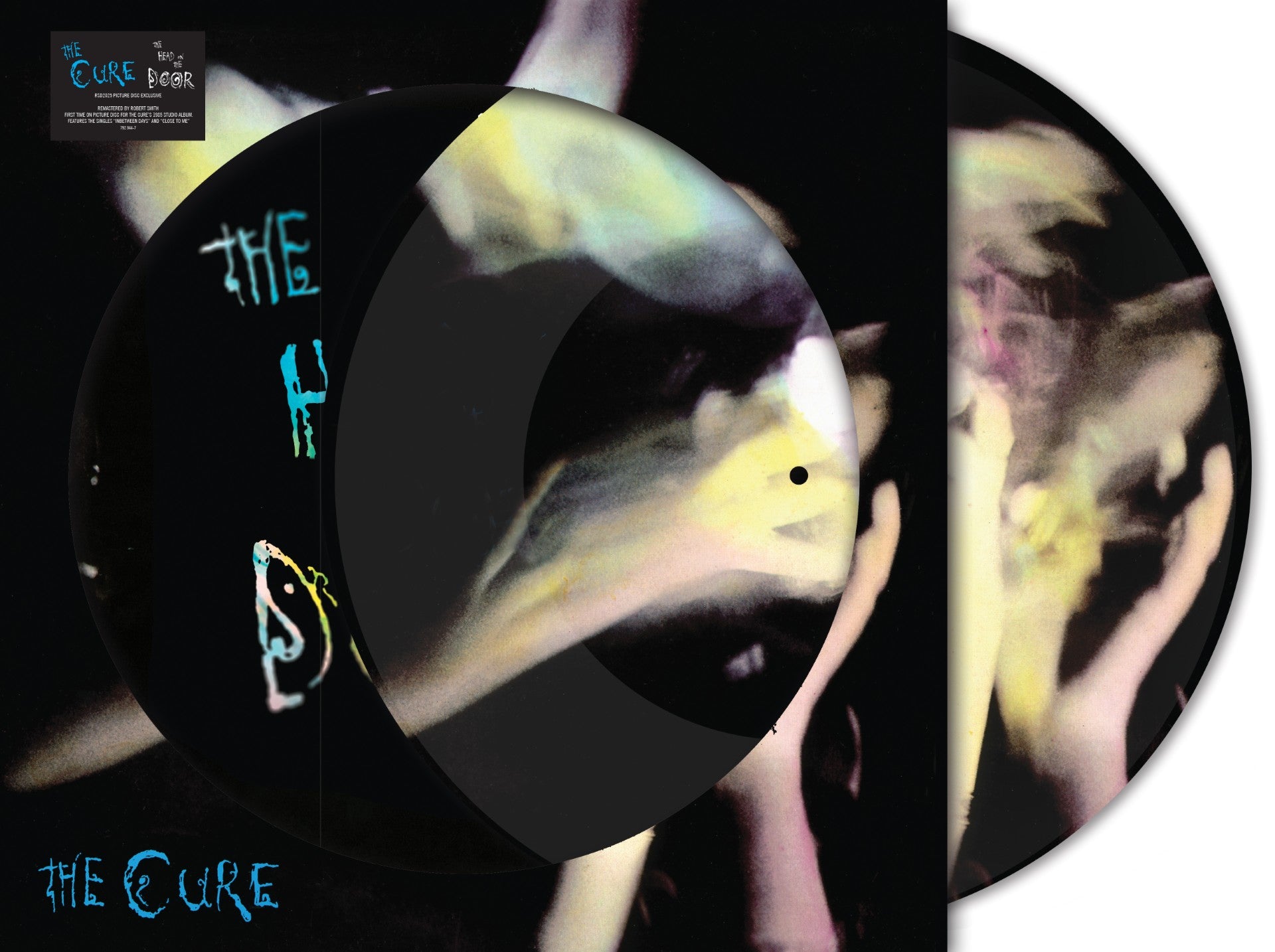
Even translucent or glow variants attract more static and dust, making them fussier to maintain.
But Hey, Collect What Makes You Happy
Look, I'm not here to rain on anyone's parade. If a neon green pressing of your favorite album makes your heart skip a beat when you pull it out, go for it. Vinyl collecting is as much about the vibe and the visuals as the sound. Limited colored runs are fun, rare, and flip for stupid money sometimes.
I don't consider myself a collector in the sense that I'm buying rare vinyl to build up the value of my record collection. I'm usually looking for deals, and just want the best sound I can get out of the format.
The Bottom Line
If you're chasing that pure, goosebump-inducing analog magic — the kind where the bass rumbles your chest and the highs sparkle without any extra grit — black vinyl wins every time.
Next time you're debating between the standard black and the "coke bottle clear" variant, ask yourself: Do I want it to look cool on the shelf, or sound cool spinning at 33⅓? For me? Black all the way.